
Pinky Cole Says Bankruptcy Is a Tool — But Is She Right?
The heated exchange with Phaedra Parks at the RHOA reunion sparked a bigger conversation about bankruptcy, Black investment and what a financial “fresh start” actually means.
One of the heavier conversations to come out of Part 2 of The Real Housewives of Atlanta reunion had very little to do with typical Housewives drama.
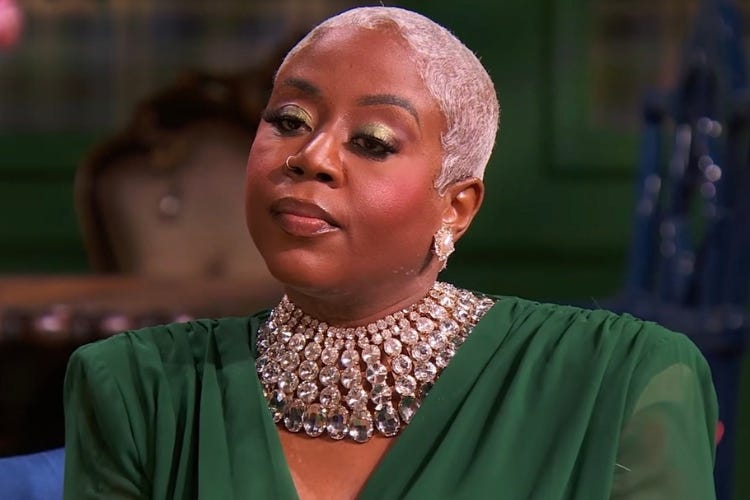
During a discussion about Pinky Cole’s financial troubles, the Slutty Vegan founder defended bankruptcy as a legal tool available to Americans facing difficult financial circumstances. Cole went even further, maintaining that if she ever found herself in need of bankruptcy protection again, she would use it.
Phaedra Parks strongly pushed back.
Her issue wasn’t simply that Cole had filed for bankruptcy. Parks challenged the idea of viewing the process so casually when other people may have money tied to a business — particularly investors who believed in and financially backed an entrepreneur.
The exchange raises an interesting question beyond RHOA: Is bankruptcy actually intended to be used as a financial tool?
The answer is more complicated than either side of the reunion argument suggests.
Pinky Isn’t Wrong About What Bankruptcy Is Designed to Do
Despite the stigma surrounding the word “bankruptcy,” federal law does not treat the process simply as a punishment for someone who failed financially.
The U.S. Courts describes bankruptcy as a federal legal process that can provide financially distressed debtors with relief. A bankruptcy discharge can eliminate personal liability for certain debts and prevent creditors from continuing collection efforts on debts that have been discharged.
In that sense, Cole’s description of bankruptcy as a “tool” isn’t far off.
Bankruptcy exists precisely because individuals and businesses sometimes reach financial situations where their existing obligations are no longer sustainable. Rather than leaving every creditor to independently fight over whatever assets remain, bankruptcy creates a court-supervised process for addressing those obligations.
And Chapter 11 — the chapter associated with Cole’s filing — is specifically known as reorganization bankruptcy.
According to the U.S. Courts, Chapter 11 generally allows a debtor to propose a reorganization plan, continue operating in appropriate circumstances and repay creditors over time. Creditors whose rights are affected can also have a voice in that process.
So bankruptcy isn’t a loophole someone discovered.
Congress created the system for people and businesses to use it.
But Phaedra’s Argument Matters, Too
Where Parks’ argument becomes important is in examining who absorbs the consequences when someone needs that fresh start.
Debt doesn’t simply vanish into thin air.
Bankruptcy creates a structured process for determining what happens to money that is owed. Depending on the case, creditors can receive less than they were originally owed, repayment terms can change and certain obligations can potentially be discharged.
That’s why bankruptcy law doesn’t only protect debtors. It establishes rights and procedures for creditors as well. In Chapter 11, affected creditors may even vote on a proposed reorganization plan before a court ultimately determines whether the plan meets the requirements for confirmation.
That gets to the heart of Parks’ argument.
There is a difference between saying “bankruptcy exists for people to use” and saying “bankruptcy has no consequences because it exists for people to use.”
Both the debtor and the people owed money are part of the equation.
Then There’s That $25 Million Slutty Vegan Investment
The reunion conversation becomes even more complicated when Slutty Vegan’s history with outside investment enters the picture.
In 2022, Cole announced that Slutty Vegan had raised a massive $25 million Series A funding round, valuing the company at approximately $100 million.
The round was led by Richelieu Dennis’ New Voices Fund and restaurateur Danny Meyer’s Enlightened Hospitality Investments. New Voices has specifically focused on helping Black women entrepreneurs grow their businesses.
At the time, the investment was intended to help Slutty Vegan rapidly expand its footprint and strengthen its executive leadership.
But there is one major distinction that can easily get lost in a reunion argument:
Investment money and debt are not automatically the same thing.
When an investor puts equity capital into a company, that investor is generally accepting business risk in exchange for ownership. That’s fundamentally different from a lender giving someone money that must be repaid according to a loan agreement.
So the existence of Slutty Vegan’s $25 million funding round does not, by itself, mean Cole personally owes those investors $25 million through her bankruptcy.
That distinction matters.
“WeHo Pride! Don’t You Have Google?” Peppermint Reacts to Kathy Hilton Being Removed as Grand Marshal
A 2026 NYC Pride Grand Marshal and RuPaul’s Drag Race alum says Pride organizers should prioritize LGBTQ+ community members with a “legacy of service.”
Can Someone Really File Bankruptcy Again?
Cole’s declaration that she would file again if necessary may have sounded shocking, but federal law does allow people to seek bankruptcy protection more than once.
There isn’t a blanket rule saying every American gets exactly one bankruptcy in their lifetime.
There are, however, restrictions on receiving subsequent discharges.
For example, the U.S. Courts says a debtor generally cannot receive another Chapter 7 discharge if they previously received a Chapter 7 or Chapter 11 discharge in a case filed within the preceding eight years. Different timelines apply to other combinations of bankruptcy chapters.
In other words:
You can potentially use the bankruptcy system more than once, but that doesn’t mean you can continuously file and erase debt whenever you choose.
Bankruptcy Also Doesn’t Erase Everything
Another misconception is that filing bankruptcy automatically wipes the financial slate completely clean.
It doesn’t.
The type of bankruptcy matters, as does the type of debt involved. Some obligations can survive bankruptcy altogether, while others can be restructured or discharged.
In an individual Chapter 11 case, a discharge also generally doesn’t arrive simply because someone filed paperwork. The U.S. Courts notes that, except in limited circumstances, an individual Chapter 11 debtor generally doesn’t receive a discharge until required payments under the confirmed plan have been completed.
Bankruptcy is therefore better understood as a legal process for resolving financial distress rather than an automatic escape hatch from financial responsibility.
So Who Won the Argument?
Legally, Cole’s central point has merit.
Bankruptcy is a tool.
The United States intentionally created a bankruptcy system that allows qualifying individuals and businesses facing serious financial difficulties to reorganize debts, obtain relief from certain obligations and potentially get a fresh financial start.
But Parks’ broader point shouldn’t be dismissed either.
That fresh start can come with consequences for other people.
Creditors can lose money. Lenders can recover less than expected. Businesses can change dramatically. And investors can lose value when the companies they’ve backed struggle — although investment losses and bankruptcy debts are not necessarily the same thing.
That’s what made the reunion exchange more interesting than the typical Housewives financial read.
The real question isn’t whether bankruptcy is a tool.
It clearly is.
The more complicated question is how we should view someone choosing to use that tool — especially when entrepreneurship, outside investment and other people’s money are involved.
And that’s a debate federal bankruptcy law can’t settle for us.
Where do you stand: Was Pinky right to defend bankruptcy as a financial tool, or did Phaedra make the stronger argument about the people potentially left holding the bill?


